
Skip to content

Free Shipping On All USA Orders $50+

Hours: M-F 9am - 6pm or Sat 9am - 5pm

Phone: 720-580-9558

Midges & Chironomids

Midge and Chironomid Patterns

Shop midge and chironomid flies for trout, including proven larva, pupa, emerger, and adult patterns for rivers, tailwaters, lakes, and reservoirs. From tiny technical midges and Zebra Midges to bloodworms and larger chironomid pupa, these patterns imitate one of the most abundant and dependable food sources available to feeding trout throughout the year.

Filters

Original price $1.75 - Original price $1.75
Original price
$1.75
$1.75 - $1.75
Current price $1.75

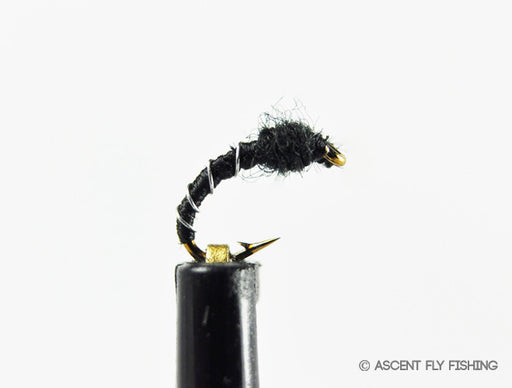
3D Epoxy Black Fly Larva

Ascent Fly Fishing
In stock

With 418 species of black fly populating the US and Canada, these species are found in large numbers at every elevation. The 3D Epoxy Black Fly La...

View full details
Original price $1.75 - Original price $1.75
Original price
$1.75
$1.75 - $1.75
Current price $1.75
Original price $1.75 - Original price $1.75
Original price
$1.75
$1.75 - $1.75
Current price $1.75

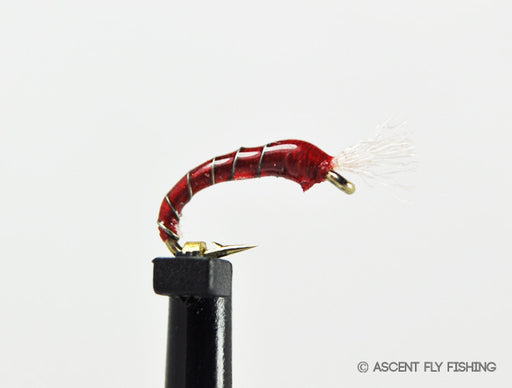
3D Epoxy Bloodworm

Ascent Fly Fishing
In stock

Buried in the mud and silt of trout lakes and rivers across the continent are an army of midge and chironomid larva. In order to survive in these ...

View full details
Original price $1.75 - Original price $1.75
Original price
$1.75
$1.75 - $1.75
Current price $1.75
Original price $1.95 - Original price $1.95
Original price
$1.95
$1.95 - $1.95
Current price $1.95

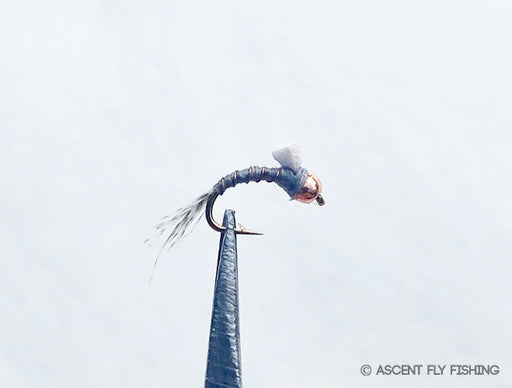
Beadhead Chocolate Thunder

Ascent Fly Fishing
In stock

Born on the highly pressured and technical tailwaters of the South Platte River in Colorado, the Chocolate Thunder (aka Foam Wing Emerger) is a sup...

View full details
Original price $1.95 - Original price $1.95
Original price
$1.95
$1.95 - $1.95
Current price $1.95
Original price $1.95 - Original price $1.95
Original price
$1.95
$1.95 - $1.95
Current price $1.95

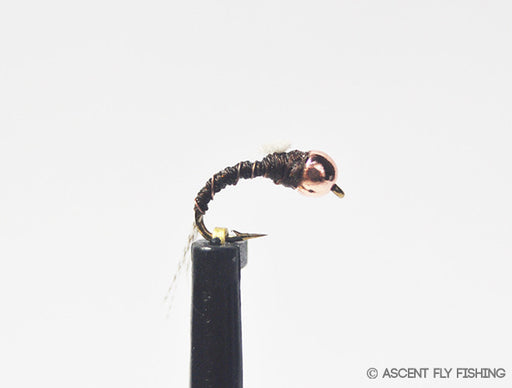
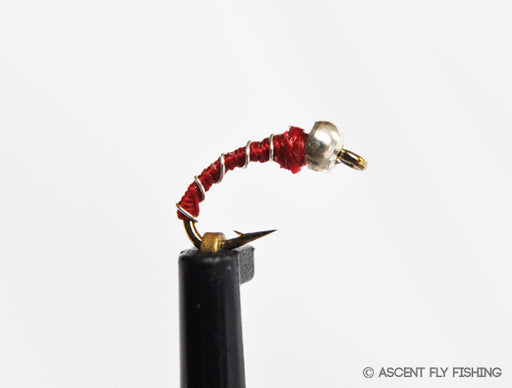
Beadhead Zebra Midge

Ascent Fly Fishing
In stock

With nearly 17,000 species of midges crowding our North American waters, the Beadhead Zebra Midge is an amazing generalist pattern that - when fish...

View full details
Original price $1.95 - Original price $1.95
Original price
$1.95
$1.95 - $1.95
Current price $1.95
Original price $1.75 - Original price $1.75
Original price
$1.75
$1.75 - $1.75
Current price $1.75

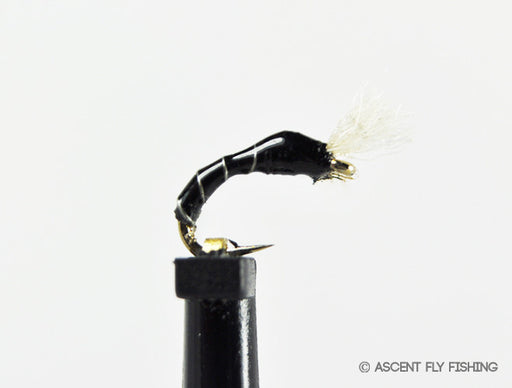
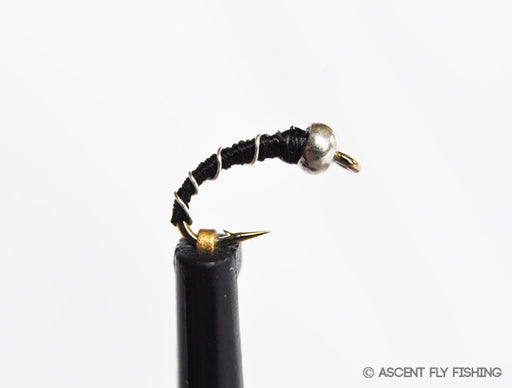
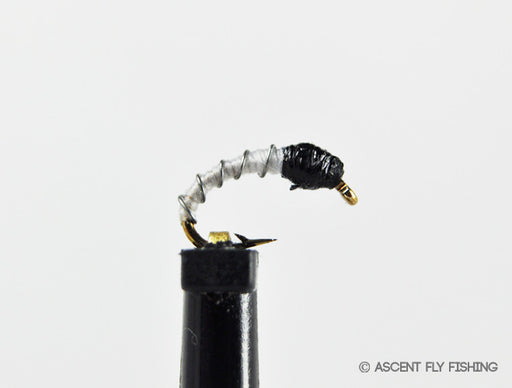
Black Beauty

Ascent Fly Fishing
In stock

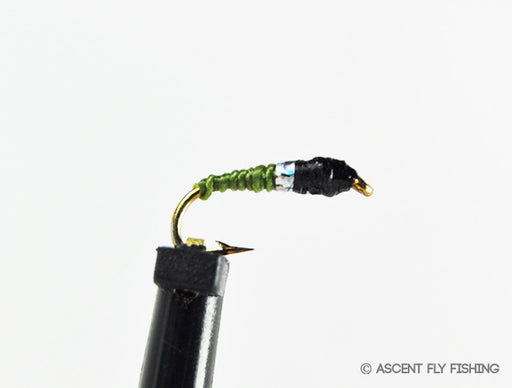
While not much to look at, the slim black profile and contrasting wire rib of the Black Beauty has proven to be the downfall of more trout than we ...

View full details
Original price $1.75 - Original price $1.75
Original price
$1.75
$1.75 - $1.75
Current price $1.75
Original price $1.75 - Original price $1.75
Original price
$1.75
$1.75 - $1.75
Current price $1.75

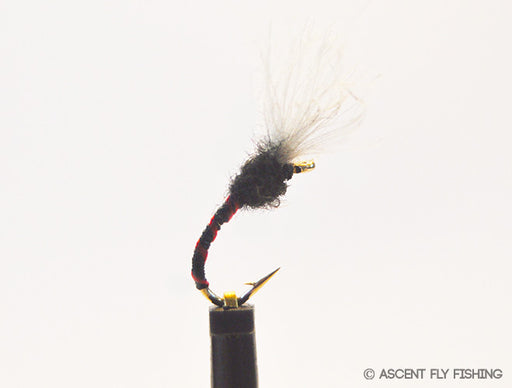
Bloodworm Emerger

Ascent Fly Fishing
In stock

A midge emerger from another mother, the Bloodworm Emerger is a mix of tried and true patterns like the mole fly and quill emerger with a dash of f...

View full details
Original price $1.75 - Original price $1.75
Original price
$1.75
$1.75 - $1.75
Current price $1.75
Original price $1.75 - Original price $1.75
Original price
$1.75
$1.75 - $1.75
Current price $1.75

Chocolate Thunder

Ascent Fly Fishing
In stock

Born on the highly pressured and technical tailwaters of the South Platte River in Colorado, the Chocolate Thunder (aka. Foam Wing Emerger) is a su...

View full details
Original price $1.75 - Original price $1.75
Original price
$1.75
$1.75 - $1.75
Current price $1.75
Original price $1.75 - Original price $1.75
Original price
$1.75
$1.75 - $1.75
Current price $1.75

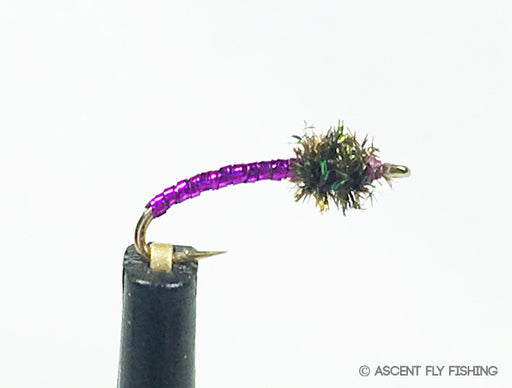
Disco Midge

Ascent Fly Fishing
In stock

Like a flashback to the clubs of the 1970's the Disco Midge is an embodiment of the bright lights and disco balls of that era! This amazing attrac...

View full details
Original price $1.75 - Original price $1.75
Original price
$1.75
$1.75 - $1.75
Current price $1.75
Original price $1.75 - Original price $1.75
Original price
$1.75
$1.75 - $1.75
Current price $1.75

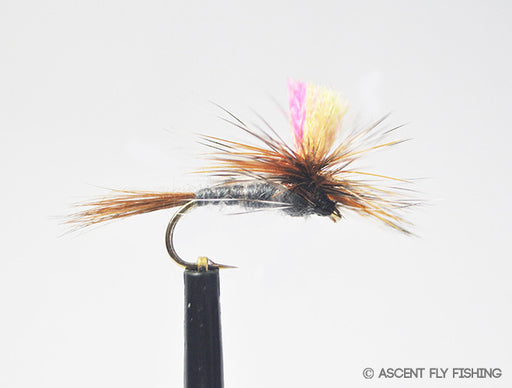
Hi Vis Parachute Adams

Ascent Fly Fishing
In stock

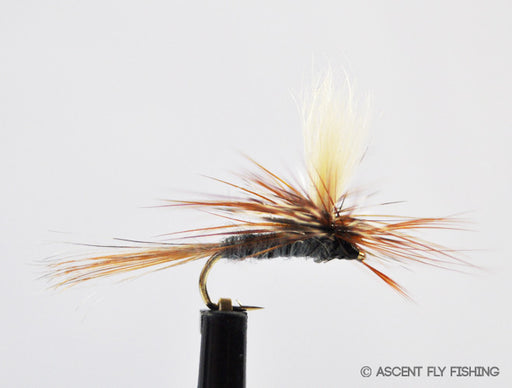
If we were only allowed to fish one dry mayfly pattern for the rest of our days on the water, that pattern would be the Parachute Adams. If we wer...

View full details
Original price $1.75 - Original price $1.75
Original price
$1.75
$1.75 - $1.75
Current price $1.75
Original price $1.75 - Original price $1.75
Original price
$1.75
$1.75 - $1.75
Current price $1.75

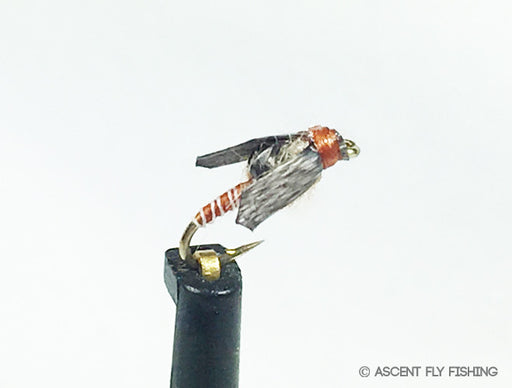
Medallion Midge Pupa

Ascent Fly Fishing

One of the defining characteristics of the midge pupa is its thickened thorax and head, with a hint of an emerging wing. With the geeky, entomolog...

View full details
Original price $1.75 - Original price $1.75
Original price
$1.75
$1.75 - $1.75
Current price $1.75
Original price $1.75 - Original price $1.75
Original price
$1.75
$1.75 - $1.75
Current price $1.75

Miracle Midge

Ascent Fly Fishing
In stock

In the murky, flowing, and changing world of trout, there are few fly materials as visible and easy to define as white. Able to be perceived by tr...

View full details
Original price $1.75 - Original price $1.75
Original price
$1.75
$1.75 - $1.75
Current price $1.75
Original price $1.75 - Original price $1.75
Original price
$1.75
$1.75 - $1.75
Current price $1.75

Miracle Nymph

Ascent Fly Fishing
In stock

While it’s easy to get carried away in the fly shop and pack your boxes with a ton of different midge patterns, sometimes it’s best to just keep it...

View full details
Original price $1.75 - Original price $1.75
Original price
$1.75
$1.75 - $1.75
Current price $1.75
Original price $1.75 - Original price $1.75
Original price
$1.75
$1.75 - $1.75
Current price $1.75

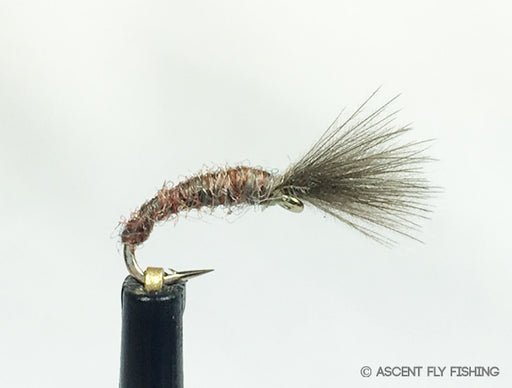
Mole Fly

Ascent Fly Fishing
In stock

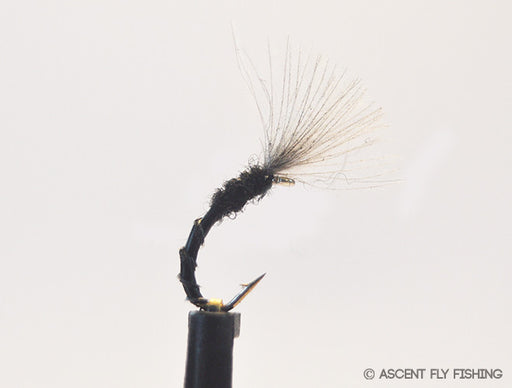
Upon reaching the surface of the water, the emerging midge or chironomid pupa tears from the pack of its pupal skin and lifts its wings straight up...

View full details
Original price $1.75 - Original price $1.75
Original price
$1.75
$1.75 - $1.75
Current price $1.75
Original price $1.75 - Original price $1.75
Original price
$1.75
$1.75 - $1.75
Current price $1.75

Neon Nightmare

Ascent Fly Fishing
In stock

Tied with Neon pink thread form head to abdomen, the Neon Nightmare will almost glow in the dark it is so bright! A pure attractor pattern, this fl...

View full details
Original price $1.75 - Original price $1.75
Original price
$1.75
$1.75 - $1.75
Current price $1.75
Original price $1.75 - Original price $1.75
Original price
$1.75
$1.75 - $1.75
Current price $1.75

Parachute Adams

Ascent Fly Fishing
In stock

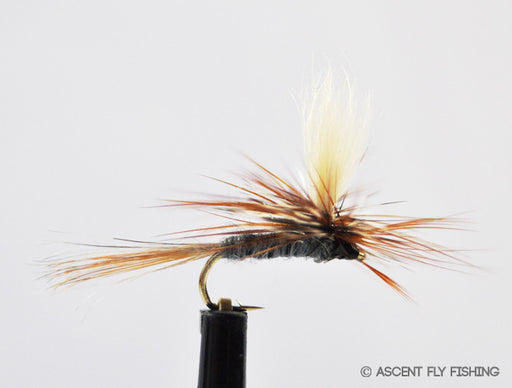
If we were only allowed to fish one dry mayfly pattern for the rest of our days on the water, that pattern would be the Parachute Adams. This Gene...

View full details
Original price $1.75 - Original price $1.75
Original price
$1.75
$1.75 - $1.75
Current price $1.75
Original price $1.95 - Original price $1.95
Original price
$1.95
$1.95 - $1.95
Current price $1.95

PDT Beadhead Zebra Midge

Ascent Fly Fishing
In stock

Shhhhhhh! The "PDT" stand for Please Don't Tell, because this fly is too good to share with everyone!   With nearly 17,000 species of midges crowdi...

View full details
Original price $1.95 - Original price $1.95
Original price
$1.95
$1.95 - $1.95
Current price $1.95
Original price $1.75 - Original price $1.75
Original price
$1.75
$1.75 - $1.75
Current price $1.75

Quill Midge Emerger

Ascent Fly Fishing
In stock

Trout porpoising through the top of the water, fins, and snouts just clipping through the surface is a telltale sign of fish gorging on midge emerg...

View full details
Original price $1.75 - Original price $1.75
Original price
$1.75
$1.75 - $1.75
Current price $1.75
Original price $1.75 - Original price $1.75
Original price
$1.75
$1.75 - $1.75
Current price $1.75

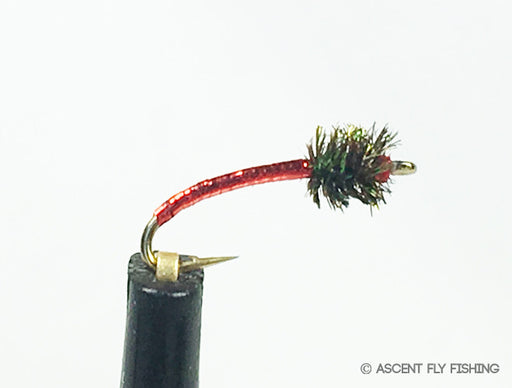
Reef Pal

Ascent Fly Fishing
In stock

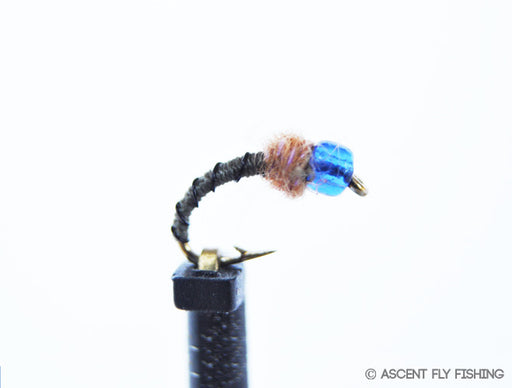
One of the best kept guide secrets of Wyoming's North Platte River, the Reef Pal is a mighty midge pattern that packs one hell of a punch. The blu...

View full details
Original price $1.75 - Original price $1.75
Original price
$1.75
$1.75 - $1.75
Current price $1.75
Original price $1.75 - Original price $1.75
Original price
$1.75
$1.75 - $1.75
Current price $1.75

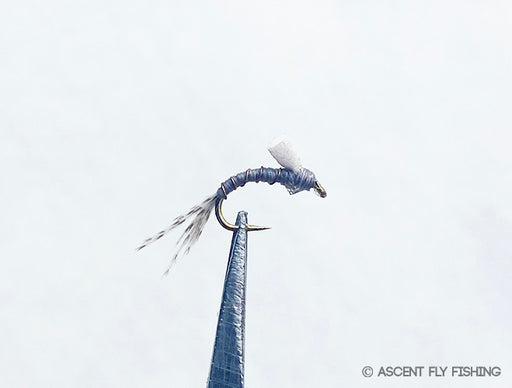
Tailwater Assassin

Ascent Fly Fishing
Out of stock

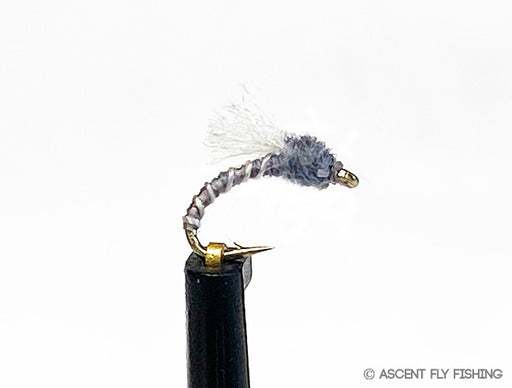
When it comes to the most potent and lethal midge patterns, oftentimes “less is more” and that is certainly the case with the Tailwater Assassin mi...

View full details
Original price $1.75 - Original price $1.75
Original price
$1.75
$1.75 - $1.75
Current price $1.75
Original price $1.75 - Original price $1.75
Original price
$1.75
$1.75 - $1.75
Current price $1.75

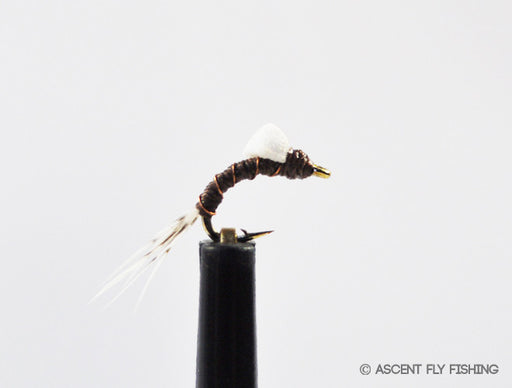
Top Secret Midge

Ascent Fly Fishing
In stock

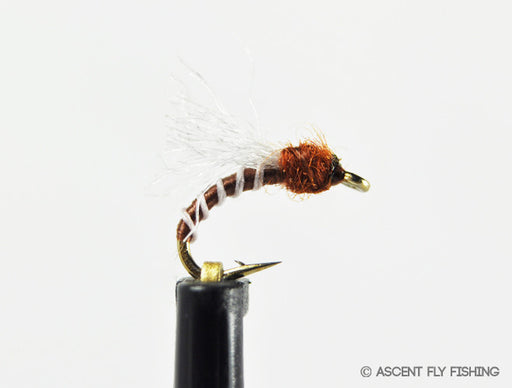
The Top Secret Midge - with its tightly wrapped brown and white abdomen and understated wing - is like throwing an M-80 firecracker in the water wh...

View full details
Original price $1.75 - Original price $1.75
Original price
$1.75
$1.75 - $1.75
Current price $1.75
Original price $1.75 - Original price $1.75
Original price
$1.75
$1.75 - $1.75
Current price $1.75

Yong Flash Special - Bling Midge

Ascent Fly Fishing
In stock

Born on the midge-rich waters of the San Juan River in New Mexico, the Yong Special or Bling Midge is like going fishing with your Grandpa's M-80 f...

View full details
Original price $1.75 - Original price $1.75
Original price
$1.75
$1.75 - $1.75
Current price $1.75
Original price $1.75 - Original price $1.75
Original price
$1.75
$1.75 - $1.75
Current price $1.75

Yong Special

Ascent Fly Fishing
In stock

Born on the midge rich waters of the San Juan River in New Mexico, the Yong Special is like going fishing with your Grandpa's M-80 firecrackers! T...

View full details
Original price $1.75 - Original price $1.75
Original price
$1.75
$1.75 - $1.75
Current price $1.75

Midges & Chironomids: Little Bugs, Big Importance

Fly fishing has an understandable obsession with big bugs.

Salmonflies crash into your sunglasses. Green Drakes bring trout to the surface. Grasshoppers create strikes that make grown anglers giggle like children.

Midges don't put on much of a show.

They are tiny, frequently difficult to see, and sometimes require flies small enough to make you question both your eyesight and your decision to take up fly fishing.

Trout, however, couldn't care less.

Midges and chironomids are among the most abundant aquatic insects inhabiting our rivers, lakes, and reservoirs, and their larva, pupa, emergers, and adults provide feeding opportunities throughout the year. When the glamorous bugs of summer have disappeared and winter has locked the riverbanks in snow and ice, midges are still there—and trout are still eating them.

Learning to fish midges isn't simply a winter survival strategy. It is one of the keys to becoming a more consistent fly fisher.

Understanding the Midge Life Cycle

You don't need an entomology degree and a Latin dictionary to fish midges effectively.

You do, however, need to understand three basic stages: larva, pupa, and adult.

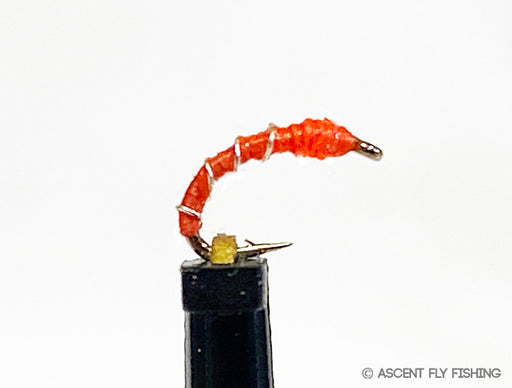
Midge larva are slender, worm-like creatures that live along the bottom of rivers and lakes. Depending upon the species and environment, they may be cream, olive, brown, black, or the distinctive red of the bloodworm.

As the larva matures, it develops into a pupa and begins moving upward through the water column toward the surface.

This is when things get interesting.

The emerging pupa represents a vulnerable insect slowly traveling through several feet—or in a lake, potentially many feet—of trout-infested water. Patterns such as Top Secret Midges, Chocolate Thunder, Mercury Midges, Medallion Midge Pupas, and Beadhead Zebra Midge Pupa imitate this incredibly important stage.

Finally, the adult emerges at the surface.

Tiny adult midges can collect individually or in clusters, giving trout an opportunity to feed on the surface even during the coldest months of the year.

Midge Larva: Start at the Bottom

If you aren't seeing fish rising or obvious signs of an emergence, the bottom is a very good place to begin.

Midge larva are small and relatively simple creatures, so successful larva patterns don't need enough feathers and flash to decorate a Christmas tree. Thin profiles in black, red, cream, brown, and olive often provide all the imitation required.

Patterns such as 3D Epoxy Bloodworm, Miracle Midges, Bling Midges, Black Beauty, and other slim midge larva can be fished close to the riverbed as part of an indicator, Euro nymphing, or multi-fly rig.

The key is getting them into the feeding zone.

A size 22 fly may look absurdly small sitting in your hand, but put it six inches in front of the nose of a trout that has been eating thousands of insects that same size and suddenly it makes perfect sense.

Midge Pupae & Emergers: Follow the Bugs Up

As midges begin emerging, trout often shift their attention away from the bottom and toward insects moving through the water column.

This is where midge pupa and emerger patterns shine.

The swollen thorax, developing wing, and slender abdomen of the natural can be imitated with patterns such as the GT Perfect Emerger, Top Secret Midge, Mayhem, Chocolate Thunder, and Medallion Midge Pupa.

Try adjusting the depth of your flies as the hatch progresses.

Early in the day, trout may be feeding close to the bottom. As more pupae begin rising, fish may move higher into the water column. Eventually you may see noses breaking the surface as trout target emergers trapped immediately beneath the film.

Don't keep fishing yesterday's depth simply because that is where you started.

Follow the food.

The Tailwater Midge Game

If you fish technical tailwaters, you already know the drill.

Clear water.

Educated trout.

Small flies.

And a fish sitting six feet away that appears to be personally judging every knot you tie.

Midges become particularly important on these waters because their availability allows trout to feed consistently even when larger aquatic insects aren't active.

This is where patterns such as the Beadhead Zebra Midge, Bling Midge, Tailwater Assassin, Miracle Nymph, Sprout Midge, and Mole Fly earn permanent positions in the fly box.

Small flies also demand attention to the rest of your rig. Long leaders, appropriate tippet, accurate depth, controlled drifts, and subtle strike detection can become every bit as important as the particular fly you choose.

When trout are feeding on size 20 and 22 insects, close is sometimes not close enough.

Chironomids: Don't Forget the Stillwater

Take the same family of insects from moving water into a lake or reservoir and suddenly the chironomid becomes one of the most important flies in your box.

Chironomid larva live in the sediment along the bottom before pupating and beginning their long journey toward the surface. For a feeding trout, that migration can create a conveyor belt of food moving vertically through the water.

Patterns such as Chironomid Pupas, Hotspot Chironomids, UV Chironomids, and bloodworm imitations allow you to target different stages of that progression.

The trick is depth.

A great chironomid pattern fished five feet above feeding trout might as well be hanging from a tree.

Fish your flies near the bottom when the insects are still deep, then adjust upward as the emergence progresses. An indicator rig can be extremely effective, as can slowly retrieving or suspending chironomid patterns at the depth where fish are feeding.

What Size Midge Fly Should I Use?

Match the naturals whenever you can.

Midges can be incredibly small, and sizes 18–24 are staples for trout fishing, with even smaller flies occasionally necessary. Chironomids—particularly those found in lakes and reservoirs—can be substantially larger.

Turn over rocks, seine the water, watch the surface, or inspect the insects collecting in the snow along the bank.

Then match size first, profile second, and color third.

When you're unsure, carrying the same dependable pattern in several sizes and colors is often more useful than carrying 40 different patterns in one size.

The trout don't care how impressive your fly collection looks when you open the box.

How Should I Fish Midges?

There isn't one "midge rig" because the insects aren't always doing the same thing.

Fish larva near the bottom.

Fish pupae and emergers through the water column.

Fish adult patterns in or on the surface film.

And when you aren't sure what stage trout are targeting, cover multiple stages with a two- or three-fly rig.

A larva near the bottom paired with a pupa or emerger higher on the rig lets the trout tell you what they want.

Once one pattern consistently produces, you have your answer.

Don't Let Tiny Flies Intimidate You

There is something mildly insulting about hooking a 20-inch trout on a fly that requires reading glasses just to thread onto the tippet.

Get used to it.

Fishing small midges doesn't necessarily require microscopic tippet and heroic casting distances. It requires good presentations, proper depth, appropriate tippet, and confidence that a trout can see a fly considerably better than you can.

Because it can.

If trout are repeatedly refusing your offering, change one variable at a time. Adjust depth. Drop a tippet size. Change fly size. Try a different profile or color.

Technical midge fishing rewards observation far more than frantic fly changing.

Why Buy Midge & Chironomid Flies From Ascent Fly Fishing?

With thousands of midge species inhabiting North American waters, trying to carry a different fly for every species would require a fly box roughly the size of a Subaru.

You don't need it.

At Ascent Fly Fishing, our goal is to help you cover the important profiles, sizes, colors, and life stages with proven patterns that can imitate a broad range of naturals.

Build your midge box around dependable larva, pupa, emerger, and adult patterns, carry them in several useful sizes and colors, and you will be equipped to fish everything from technical Rocky Mountain tailwaters to chironomid-rich lakes and reservoirs.

Midge & Chironomid FAQs

What are the best midge flies for trout?
Dependable patterns include the Zebra Midges, Mercury Midge, Miracle Midge, Top Secret Midges, Yong Special, bloodworm patterns, mole flies, and a variety of midge pupa and emerger imitations. The best choice depends upon the life stage, size, and color of the insects trout are currently feeding on.

What size midge flies should I carry?
Sizes 18–24 cover a great deal of river and tailwater midge fishing, although larger and smaller insects occur. Stillwater chironomids are often considerably larger, so match the naturals on your water whenever possible.

Can you fish midges year-round?
Absolutely. Midges are among the most reliable year-round aquatic insects and are especially important during winter and other periods when larger insect activity is limited.

What is the difference between a midge and a chironomid?
Chironomids are non-biting midges within the Chironomidae family. Fly anglers often use "midge" when discussing smaller river insects and "chironomid" when discussing the larger forms commonly fished in lakes and reservoirs, although they are closely related biologically.

Should midge flies be fished on the bottom?
Larva are commonly fished near the bottom, while pupae and emergers should be presented progressively higher in the water column as they move toward the surface.

What colors are best for midge flies?
Black, red, cream, brown, and olive are excellent starting points. Rather than searching for one universally "best" color, match the size, profile, and color of the insects present in your water.

Are midges good winter flies?
They are among the most important winter trout flies. Midges can remain active when many mayflies, caddisflies, and other larger insects are dormant, making them a dependable cold-weather food source.

Midges will never have the imposing profile of a Salmonfly or inspire an angler to shout across the river, "YOU SHOULD SEE THE SIZE OF THIS BUG!"

That's okay.

Thousands of tiny insects drifting past a trout's nose can be more important than one giant meal.

So when the river looks lifeless, the air is cold, and there isn't a big bug in sight, don't assume nothing is happening.

Tie on something small.

Then maybe something smaller.

Tight Lines, Friend!

Guided Trips
{"statementLink":"","footerHtml":"","hideMobile":false,"hideTrigger":false,"disableBgProcess":false,"language":"en","position":"left","leadColor":"#146ff8","triggerColor":"#146ff8","triggerRadius":"50%","triggerPositionX":"right","triggerPositionY":"bottom","triggerIcon":"people","triggerSize":"medium","triggerOffsetX":20,"triggerOffsetY":20,"mobile":{"triggerSize":"small","triggerPositionX":"right","triggerPositionY":"bottom","triggerOffsetX":10,"triggerOffsetY":10,"triggerRadius":"50%"}}
