
Skip to content

Free Shipping On All USA Orders $50+

Hours: M-F 9am - 6pm or Sat 9am - 5pm

Phone: 720-580-9558

Wet Wading

Ditch the chest waders when summer heats up with wet-wading gear from Backcountry Skinz and Korkers, including neoprene wading socks, gravel-guard socks, waterproof merino socks, UV-protective leggings, and breathable neoprene wading pants. Whether you're hiking into a high-country trout stream, walking a warm freestone river, or stalking fish across the flats, the right wet-wading system keeps you protected, mobile, and considerably less marinated in your own sweat.

Filters

Original price $59.00 - Original price $59.00
Original price
$59.00
$59.00 - $59.00
Current price $59.00

Backcountry Skinz Neoprene Waterproof Knee High Liquid Lockz Socks

Backcountry Skinz
Low stock

Introducing our revolutionary Knee-High Waterproof Liquid Lockz Neoprene Wading Sock—a must-have for anglers seeking ultimate comfort and protectio...

View full details
Original price $59.00 - Original price $59.00
Original price
$59.00
$59.00 - $59.00
Current price $59.00
Original price $134.00 - Original price $134.00
Original price
$134.00
$134.00 - $134.00
Current price $134.00

Backcountry Skinz Z Series Neoprene Stealth Camo Leggings

Backcountry Skinz
Low stock

The all-season wet wading revolution. Designed in Canada, tested in backcountry rivers and alpine lakes — the Z-Series™ bridges the gap between bul...

View full details
Original price $134.00 - Original price $134.00
Original price
$134.00
$134.00 - $134.00
Current price $134.00
Original price $59.00 - Original price $59.00
Original price
$59.00
$59.00 - $59.00
Current price $59.00

Backcoutnry Skinz SolarFlexz UVPro -Black Slate Camo Leggings

Backcountry Skinz
Low stock

Engineered for both saltwater flats and freshwater streams, our Camo UV Compression Pants deliver unmatched sun protection, breathability, and all-...

View full details
Original price $59.00 - Original price $59.00
Original price
$59.00
$59.00 - $59.00
Current price $59.00
Original price $149.00 - Original price $149.00
Original price
$149.00
$149.00 - $149.00
Current price $149.00

Backcountry Skinz AIRBLITZ™ Perforated Neoprene Leggings

Backcountry Skinz
Low stock

AIRBLITZ™ NEOPRENE LEGGINGS Ditch sweaty waders. Stay cool. Move freely.  The world’s first perforated unisex neoprene wading leggings — designed i...

View full details
Original price $149.00 - Original price $149.00
Original price
$149.00
$149.00 - $149.00
Current price $149.00
Original price $29.99 - Original price $29.99
Original price
$29.99
$29.99 - $29.99
Current price $29.99

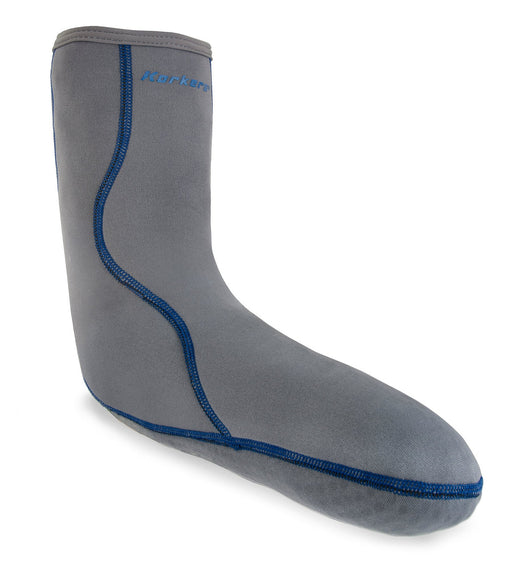
Korker's 2.5mm I-Drain Wading Socks

Korkers
In stock

Comfy, form-fitting, 2.5mm, flats/warm water neoprene socks with a perforated footbed to drain away stagnant toe juice. Specs: 2.5mm neoprene up...

View full details
Original price $29.99 - Original price $29.99
Original price
$29.99
$29.99 - $29.99
Current price $29.99
Original price $39.99 - Original price $44.99
Original price
$39.99 - $44.99
$39.99 - $44.99
Current price $39.99

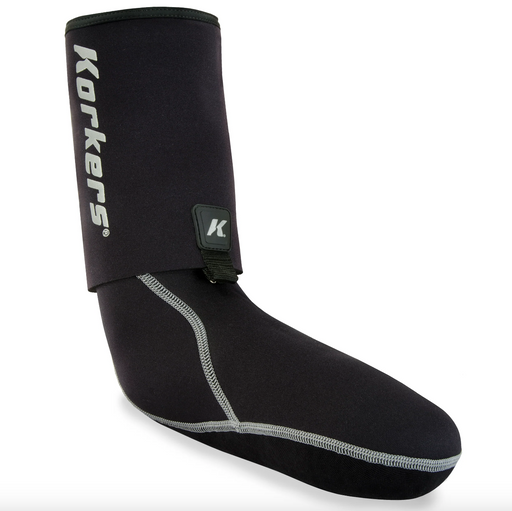
Korkers I-Drain Neoprene Guard Sock 3.5mm

Korkers
In stock

Abrasion-resistant form-fit 3.5mm neoprene, complete with gravel guards and a patent-pending perforated footbed to drain away unwanted foot stew. ...

View full details
Original price $39.99 - Original price $44.99
Original price
$39.99 - $44.99
$39.99 - $44.99
Current price $39.99
Original price $51.00 - Original price $51.00
Original price
$51.00
$51.00 - $51.00
Current price $51.00

Backcountry Skinz Waterproof Merino Wool Mid Length Socks

Backcountry Skinz
In stock

Our waterproof socks provide the perfect combination of durable performance and reliability, ensuring your feet stay warm and dry no matter the con...

View full details
Original price $51.00 - Original price $51.00
Original price
$51.00
$51.00 - $51.00
Current price $51.00

Wet Wading: Sometimes the Best Pair of Waders Is No Waders at All

There comes a point every summer when pulling on chest waders begins to feel less like preparing to fish and more like voluntarily climbing into a greenhouse.

The sun is high.

The water is warming.

The trail to the river is three miles long.

And suddenly standing waist-deep in cold water sounds wonderful.

Welcome to wet wading.

Wet wading simply means fishing without waterproof chest waders and allowing your lower body to get wet. Pair the right wading boots or wading shoes with neoprene socks, quick-drying clothing, and appropriate sun protection, and you've got a lightweight system that's perfect for warm-weather fishing.

At Ascent Fly Fishing, our wet-wading collection includes Backcountry Skinz and Korkers wet-wading gear, with neoprene socks, gravel guards, waterproof socks, UV-protective leggings, and breathable neoprene options for anglers who want protection without climbing into full chest waders.

When Is It Warm Enough to Wet Wade?

There isn't a single magic temperature.

Some anglers happily wet wade in water that makes the rest of us question their circulatory system.

Others want bathwater.

Air temperature, water temperature, wind, sunshine, time spent in the water, and your personal tolerance for cold all matter.

A useful rule is simple:

If getting wet sounds refreshing rather than miserable, wet wading may make sense.

Late spring through early fall is prime wet-wading season in many western trout fisheries, although high-elevation streams can remain surprisingly cold even in July.

Remember that you aren't only standing in the water.

You may also be hiking several miles before and after fishing.

That is where wet wading really shines.

Instead of carrying bulky waders or sweating inside them during the approach, you can move in lighter clothing and simply walk into the river when you arrive.

What Do I Need for Wet Wading?

A basic wet-wading system is refreshingly simple.

You generally need:

  • Wading boots or wading shoes
  • Neoprene wading socks or guard socks
  • Quick-drying pants, shorts, or leggings
  • Sun protection
  • Appropriate clothing for the weather

That's it.

You can make the system more specialized from there, but you don't need to turn wet wading into another excuse to fill half the garage with equipment.

Although we're fly anglers.

We'll probably find a way.

Why Do I Need Neoprene Socks for Wet Wading?

If you own stockingfoot waders, your wading boots were designed around the bulk of the neoprene booties attached to your waders.

Take those booties away and suddenly there's a lot of extra room inside the boot.

That can lead to:

  • Heel movement
  • Blisters
  • Poor support
  • Gravel entering the boot
  • An overall sloppy fit

A neoprene wet-wading sock replaces much of that missing volume.

Korkers' current wet-wading options include both 2.5mm I-Drain Wading Socks and thicker 3.5mm I-Drain Neoprene Guard Socks, giving anglers options depending on how much cushioning and protection they want.

The 3.5mm version also incorporates a gravel guard to help keep debris out of the top of the boot.

Which is important.

Because the tiny pebble that enters your boot at 8:15 a.m. will become the largest geological feature in North America by lunchtime.

What Is a Gravel Guard?

A gravel guard covers the top of your wading boot and helps stop sand, pebbles, and debris from entering.

This protects both your feet and your footwear.

Gravel trapped inside a boot is uncomfortable, but it can also cause abrasion against neoprene socks and your skin.

Stockingfoot waders usually have integrated gravel guards.

When wet wading, a neoprene guard sock can provide the same basic function.

If your day involves walking through gravel bars, sandy banks, and loose cobble, a guard sock is worth having.

2.5mm vs. 3.5mm Neoprene Wading Socks

Neoprene thickness affects warmth and the amount of volume the sock occupies inside the boot.

A 2.5mm wading sock offers less bulk and is well suited to warm conditions, flats fishing, or boots that don't need as much volume filled.

A 3.5mm neoprene sock provides a little more insulation and can more closely approximate the thickness of many stockingfoot wader booties.

Neither thickness is universally better.

Think about:

Your boot fit.

Water temperature.

How far you're hiking.

Whether you want an integrated gravel guard.

The correct sock should make your boot feel secure without crushing your foot.

Can I Just Wear Regular Socks in My Wading Boots?

Technically?

Sure.

You can also eat soup with a fork.

The results may be less than ideal.

Thin hiking socks usually don't provide enough volume to properly fill a boot sized for stockingfoot waders.

They also offer little protection from sand and gravel.

For short walks in very lightweight wading shoes, regular technical socks may be fine.

For traditional wading boots, neoprene wet-wading socks generally create a much better fit.

What Should I Wear on My Legs When Wet Wading?

You have several options.

Quick-drying fishing pants work well.

Shorts work if you're comfortable with less protection.

Technical leggings can provide excellent freedom of movement and protection from sun, brush, and insects.

Ascent's current collection includes several Backcountry Skinz options designed around wet wading.

The SolarFlexz UVPro leggings are made for freshwater streams and saltwater flats where sun protection and breathability matter.

The Z Series Neoprene Stealth Camo Leggings offer more protection and insulation while remaining far less bulky than full chest waders.

And the AIRBLITZ perforated neoprene leggings are designed for anglers who want neoprene protection without trapping as much heat.

Those options create a useful spectrum:

Light and breathable.

Moderately protective.

More insulated.

Choose based on the water and weather.

Why Wear Leggings Instead of Shorts?

Shorts feel fantastic on a hot day.

Until you encounter:

Willows.

Blackberries.

Mosquitoes.

Sunburn.

Poison ivy.

Sharp rocks.

Or an entire hillside apparently constructed from thorn bushes.

Technical leggings or lightweight pants add protection without the heat of chest waders.

They also reduce prolonged UV exposure.

This matters especially when fishing high-elevation rivers where the sun can be intense or on saltwater flats where reflected light comes at you from both above and below.

After eight hours on a tropical flat, the sun has had enough time to inspect every square inch you forgot about.

Wet Wading for High-Country Trout

Wet wading is ideal for many mountain streams.

The approach may involve miles of hiking.

The creek itself may only be knee deep.

Chest waders add weight and heat without providing much benefit.

A pair of lightweight boots, neoprene socks, and quick-drying pants can transform the experience.

You hike comfortably.

Step into the creek.

Climb over logs.

Scramble around waterfalls.

Exit the water.

Keep walking.

For small-stream fishing, mobility often matters more than maximum waterproof protection.

Just remember that mountain water can remain cold even when the afternoon air temperature is warm.

If your legs begin going numb, the trout aren't going to be offended if you step out for a few minutes.

Wet Wading on Larger Rivers

Wet wading isn't limited to small creeks.

It can be excellent on larger freestone rivers during summer.

The main difference is that you'll often spend more time submerged.

That makes water temperature and current more important.

Light neoprene leggings can provide some insulation without the full coverage of chest waders.

A good wading staff also becomes more useful as water depth and current increase.

Warm weather does not make powerful current less powerful.

The river does not care that you're dressed for summer.

Wet Wading in Saltwater

Warm saltwater practically begs to be wet waded.

Bonefish flats.

Permit water.

Shallow lagoons.

Mangrove shorelines.

You may spend hours walking through knee- to thigh-deep water under intense sun.

Here, the priorities shift slightly toward:

  • Sun protection
  • Breathability
  • Foot protection
  • Fast drainage
  • Abrasion resistance

The current Backcountry Skinz UV-oriented leggings can make sense in these conditions, and lightweight wet-wading footwear can keep you considerably more mobile than heavy traditional waders.

Be especially careful around coral, shells, stingrays, and other hazards.

Warm water does not necessarily mean friendly water.

Sometimes the tropical version of a submerged rock has teeth.

Should I Wear Waterproof Socks When Wet Wading?

Waterproof socks can be useful when you want to keep your feet warmer or drier while still avoiding full waders.

Ascent currently carries Backcountry Skinz Waterproof Merino Wool Socks, which combine waterproof construction with the temperature-regulating properties of merino wool.

These can be useful during shoulder seasons, cooler water, rainy weather, or other situations where full wet wading feels a little ambitious but chest waders feel excessive.

Think of them as another tool between the two extremes.

Fly fishing rarely requires choosing between only Option A and Option B.

We specialize in inventing Option C through Option Q.

Wet Wading vs. Chest Waders

Wet wading wins when conditions are warm and mobility matters.

Chest waders win when staying dry and insulated matters.

Choose wet wading when:

The air is warm.

The water is tolerable.

You're hiking a long distance.

You're fishing shallow water.

Mobility is the priority.

Choose chest waders when:

The water is cold.

The weather is cold.

You'll be submerged for long periods.

You're fishing during winter or shoulder seasons.

Staying dry is important for comfort or safety.

One isn't more legitimate than the other.

They are simply tools for different conditions.

If you're hiking a Colorado creek in August wearing heavy insulated layers beneath chest waders while your fishing partner is wet wading comfortably beside you, there is no award waiting at the truck for your suffering.

What Are the Best Boots for Wet Wading?

You can use many of the same wading boots you wear with stockingfoot waders, provided you use an appropriate neoprene sock to create the correct fit.

You can also choose lighter wading shoes designed specifically for warm conditions and long approaches.

When choosing wet-wading footwear, prioritize:

Traction.

Drainage.

Fit.

Weight.

Toe protection.

Comfort while hiking.

If you're covering miles of trail, a lightweight athletic boot may make far more sense than a heavy traditional wading boot.

If you're standing all day on slick river rock, traction and support may matter more than shaving a few ounces.

Your water should decide.

Don't Ignore Sun Protection

Waders normally provide complete coverage from the waist down.

Once you remove them, your skin is exposed.

That means wet wading requires a little more attention to sun protection.

Technical UPF clothing, leggings, long sleeves, hats, and sunscreen can make a huge difference on long days.

This is especially important at elevation and on saltwater flats.

UV exposure adds up.

A cold river may fool you into thinking you aren't getting cooked.

Your shoulders will deliver the report later.

How Do I Avoid Blisters When Wet Wading?

Blisters usually come from movement and friction.

Start with properly fitted boots.

Use neoprene socks that fill the boot appropriately.

Avoid folds and bunching.

Make sure your heel isn't lifting excessively.

And remove gravel as soon as you feel it.

Do not continue walking four miles while telling yourself:

“It'll probably work its way somewhere less painful.”

It won't.

It has chosen you.

Stop and fix the problem.

Wet Wading Makes Hiking Better

One of wet wading's biggest advantages has nothing to do with fishing.

It's the walk.

Chest waders can be hot and restrictive on long approaches.

Lightweight wet-wading clothing lets you move more naturally, breathe better, and carry less weight.

For anglers who enjoy backcountry fishing, that can make the entire day more enjoyable.

Suddenly fishing the creek three miles farther from the trailhead sounds reasonable.

Which can be either an advantage or a very effective way to ensure you return to the vehicle after dark.

Pack a headlamp.

Why Buy Wet-Wading Gear From Ascent Fly Fishing?

Wet wading doesn't need to be complicated.

The goal isn't to replace one mountain of gear with another.

It's to build a light system that works with the water you're fishing.

At Ascent Fly Fishing, we'd rather help you figure out whether you need:

A thin neoprene sock.

A thicker guard sock.

Waterproof merino socks.

UV leggings.

Neoprene leggings.

Lightweight wading boots.

Or simply a better way to survive a ninety-degree August afternoon without steaming inside your chest waders.

Tell us where you're fishing, what boots you own, how far you're hiking, and how cold the water tends to be.

We'll help you build the system around the trip rather than the price tag.

Wet Wading FAQs

What is wet wading?

Wet wading means fishing without waterproof waders and allowing your legs to get wet. Anglers typically wear quick-drying clothing or technical leggings with neoprene socks and wading boots.

Do I need special socks for wet wading?

Neoprene wet-wading socks are strongly recommended with traditional wading boots because they replace the volume normally provided by stockingfoot waders and help keep gravel out.

What thickness neoprene socks should I use?

Around 2.5mm works well for warmer conditions and lower-volume footwear, while 3.5mm provides more insulation and fills more space inside traditional wading boots.

Can I wear my regular wading boots for wet wading?

Yes. Pair them with appropriate neoprene socks or guard socks so the boots fit similarly to how they fit with stockingfoot waders.

What should I wear while wet wading?

Quick-drying pants, shorts, technical leggings, or neoprene leggings all work depending on water temperature, sun exposure, vegetation, and personal preference.

Is wet wading safe?

Wet wading can be perfectly safe when conditions are appropriate, but normal river safety still applies. Consider water temperature, current, depth, footwear traction, weather, and your own wading ability.

Can I wet wade in cold water?

You can, but prolonged exposure to cold water can become uncomfortable or unsafe. Neoprene leggings and thicker socks can extend the range, but chest waders are generally better when temperatures drop substantially.

Are neoprene leggings good for wet wading?

Yes. Neoprene leggings provide abrasion protection and insulation while offering more mobility and less bulk than chest waders.

What are the best clothes for wet wading?

Choose quick-drying synthetic or wool fabrics. Avoid heavy cotton garments that absorb large amounts of water and dry slowly.

Can I wet wade in saltwater?

Absolutely. Wet wading is common on warm flats and in shallow saltwater, but footwear and leg protection are especially important around coral, shells, sharp bottom structure, and marine life.

Do I still need wading boots when wet wading?

Usually, yes. River bottoms remain slippery and sharp regardless of the air temperature. Proper wading boots or dedicated wading shoes provide traction and protection.

When should I switch from waders to wet wading?

When air and water temperatures make full chest waders unnecessarily hot and you can remain comfortable and safe while getting wet.

One of my favorite things about summer fly fishing is how little you actually need.

A rod.

A small fly box.

Some tippet.

A pair of boots.

Cold water around your legs.

And somewhere upstream, a trout rising beneath the shade of a willow.

For a few months each year, leave the chest waders hanging in the garage.

Walk into the river.

You'll dry.

Tight Lines, Friend!

Guided Trips
{"statementLink":"","footerHtml":"","hideMobile":false,"hideTrigger":false,"disableBgProcess":false,"language":"en","position":"left","leadColor":"#146ff8","triggerColor":"#146ff8","triggerRadius":"50%","triggerPositionX":"right","triggerPositionY":"bottom","triggerIcon":"people","triggerSize":"medium","triggerOffsetX":20,"triggerOffsetY":20,"mobile":{"triggerSize":"small","triggerPositionX":"right","triggerPositionY":"bottom","triggerOffsetX":10,"triggerOffsetY":10,"triggerRadius":"50%"}}
