Skip to content

Free Shipping On All USA Orders $50+

Hours: M-F 9am - 6pm or Sat 9am - 5pm

Phone: 720-580-9558

Fly Fishing Flies

Fill your fly box with proven fly fishing flies for trout, bass, panfish, pike, steelhead, salmon, and saltwater species, including dry flies, nymphs, emergers, streamers, terrestrials, eggs, worms, scuds, and attractor patterns. Shop hundreds of Ascent Fly Fishing flies designed to imitate mayflies, caddisflies, stoneflies, midges, baitfish, leeches, crawfish, and the other strange little things fish insist on eating.


Filters

Original price $6.95 - Original price $6.95
Original price
$6.95
$6.95 - $6.95
Current price $6.95

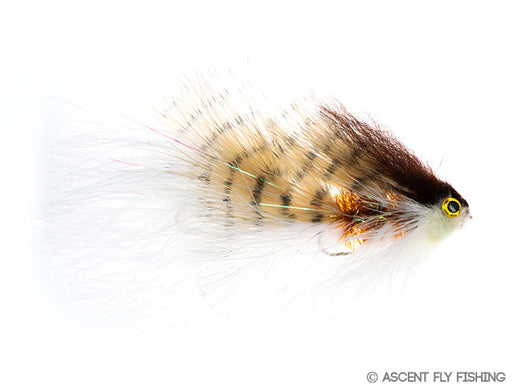
T & A Bunker

Ascent Fly Fishing
In stock

The T & A Bunker is a big booty articulated streamer that is light on its fins and dances through the water! While most articulated streamers r...

View full details
Original price $6.95 - Original price $6.95
Original price
$6.95
$6.95 - $6.95
Current price $6.95
Original price $1.75 - Original price $1.75
Original price
$1.75
$1.75 - $1.75
Current price $1.75

Tent Wing Caddis

Ascent Fly Fishing
In stock

True to the form of the real adult caddisfly, the Tent Wing Caddis, is an ultra-realistic caddis imitation perfectly matching the tent wings and pr...

View full details
Original price $1.75 - Original price $1.75
Original price
$1.75
$1.75 - $1.75
Current price $1.75
Original price $1.75 - Original price $1.75
Original price
$1.75
$1.75 - $1.75
Current price $1.75

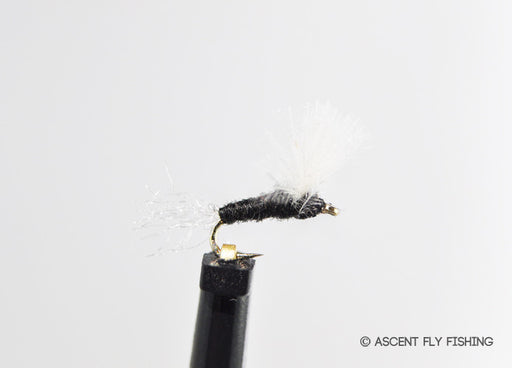
Trico Sparkle Dun

Ascent Fly Fishing
In stock

A common summer through fall mayfly hatch throughout most of the US, the small-statured Trico mayflies will emerge in such numbers that they will c...

View full details
Original price $1.75 - Original price $1.75
Original price
$1.75
$1.75 - $1.75
Current price $1.75
Original price $1.75 - Original price $1.75
Original price
$1.75
$1.75 - $1.75
Current price $1.75

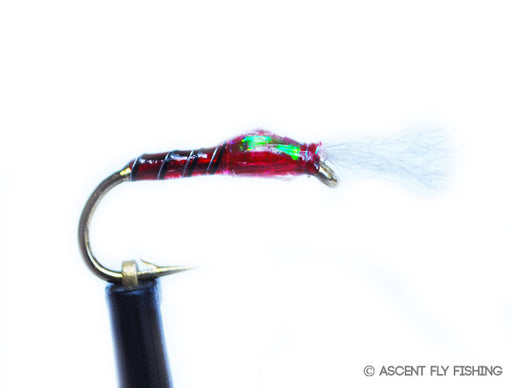
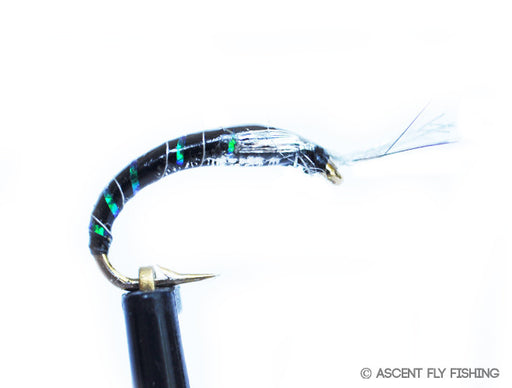
UV Chironomid

Ascent Fly Fishing
In stock

The closest thing to a bulletproof fly pattern in your fly box, the UV Chironomid will empty a lake of trout before you need to switch flies! Tru...

View full details
Original price $1.75 - Original price $1.75
Original price
$1.75
$1.75 - $1.75
Current price $1.75
Original price $4.75 - Original price $4.75
Original price
$4.75
$4.75 - $4.75
Current price $4.75

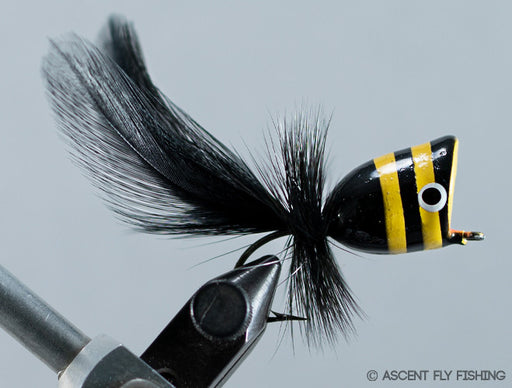
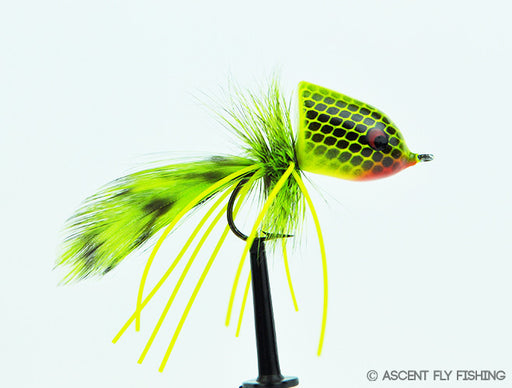
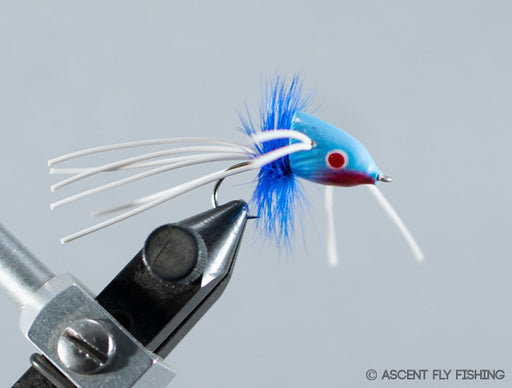
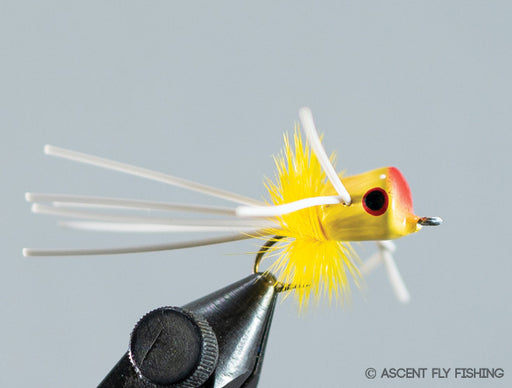
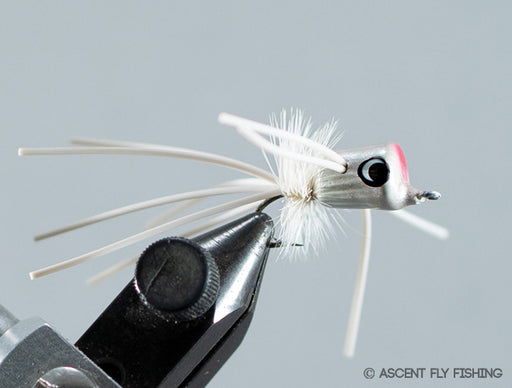
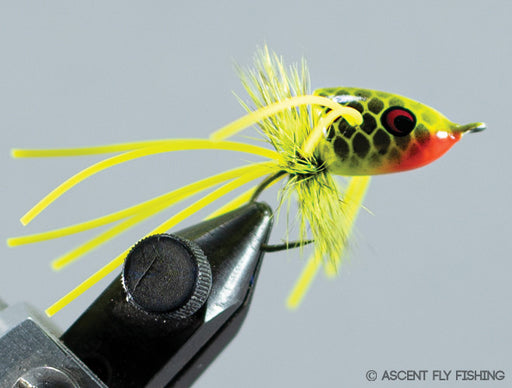
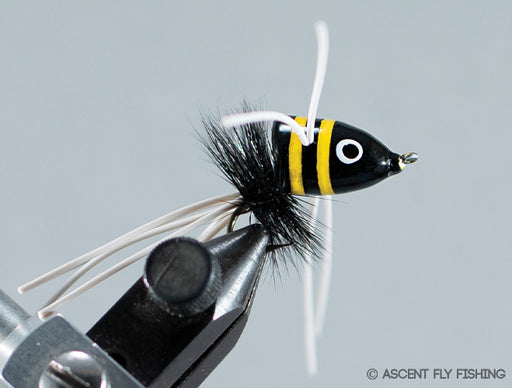
Walt's Large Popper

Ascent Fly Fishing

Similar to fishing with an M-80 fire cracker, when you toss the Walt’s Large Popper in water, just wait for the BANG! when the fish crash through t...

View full details
Original price $4.75 - Original price $4.75
Original price
$4.75
$4.75 - $4.75
Current price $4.75
Original price $4.75 - Original price $4.75
Original price
$4.75
$4.75 - $4.75
Current price $4.75

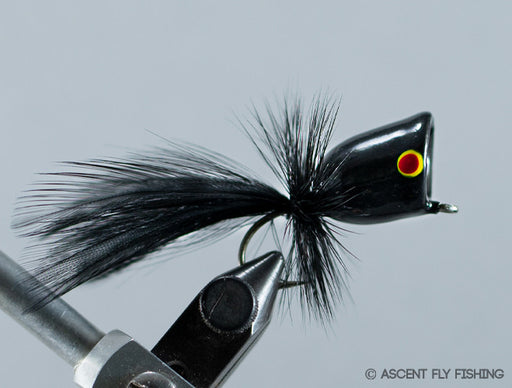
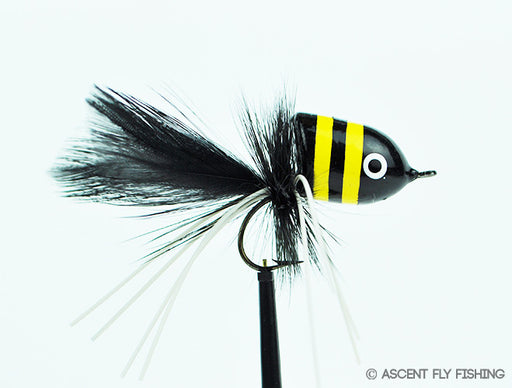
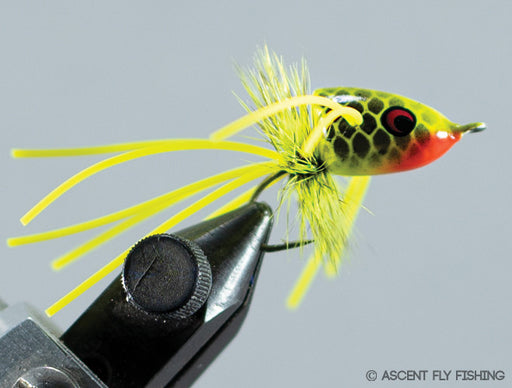
Walt's Large Slider

Ascent Fly Fishing
In stock

Tied with a backwards popper head and a sharp nose, the Walt’s Large Slider is a different animal with some unique dance moves that makes it a kill...

View full details
Original price $4.75 - Original price $4.75
Original price
$4.75
$4.75 - $4.75
Current price $4.75
Original price $4.15 - Original price $4.15
Original price
$4.15
$4.15 - $4.15
Current price $4.15

Walt's Medium Popper

Ascent Fly Fishing

Similar to fishing with an M-80 fire cracker, when you toss the Walt’s Medium Popper in water, just wait for the BANG! when the fish crash through ...

View full details
Original price $4.15 - Original price $4.15
Original price
$4.15
$4.15 - $4.15
Current price $4.15
Original price $4.15 - Original price $4.15
Original price
$4.15
$4.15 - $4.15
Current price $4.15

Walt's Medium Slider

Ascent Fly Fishing

Tied with a backwards popper head and a sharp nose, the Walt’s Medium Slider is a different animal with some unique dance moves that makes it a kil...

View full details
Original price $4.15 - Original price $4.15
Original price
$4.15
$4.15 - $4.15
Current price $4.15
Original price $4.15 - Original price $4.15
Original price
$4.15
$4.15 - $4.15
Current price $4.15

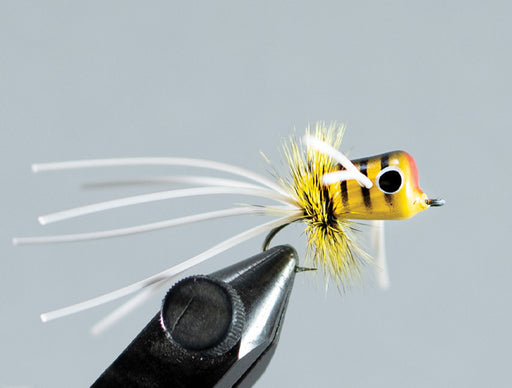
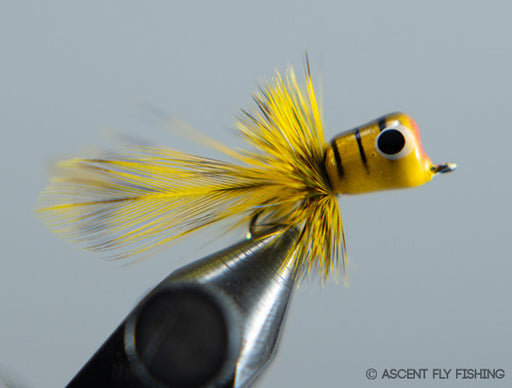
Walt's Panfish Popper

Ascent Fly Fishing
In stock

Regardless to where you live in the US, Canada, or Europe you are going to be able to find a number of panfish species living in your local waters ...

View full details
Original price $4.15 - Original price $4.15
Original price
$4.15
$4.15 - $4.15
Current price $4.15
Original price $4.15 - Original price $4.15
Original price
$4.15
$4.15 - $4.15
Current price $4.15

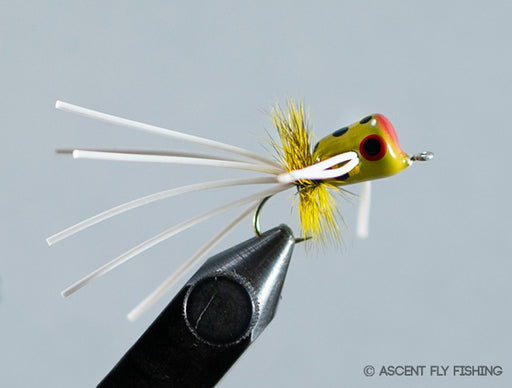
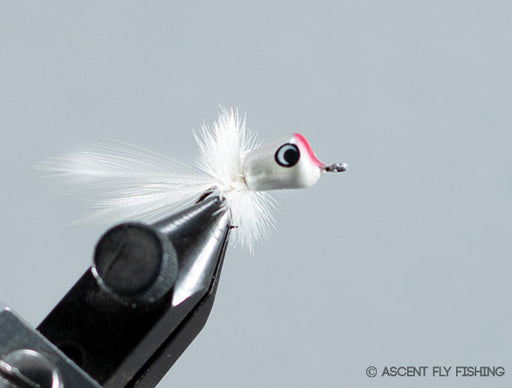
Walt's Small Popper

Ascent Fly Fishing

Similar to fishing with an M-80 fire cracker, when you toss the Walt’s Small Popper in water, just wait for the BANG! when the fish crash through ...

View full details
Original price $4.15 - Original price $4.15
Original price
$4.15
$4.15 - $4.15
Current price $4.15
Original price $4.15 - Original price $4.15
Original price
$4.15
$4.15 - $4.15
Current price $4.15

Walt's Small Slider

Ascent Fly Fishing

Tied with a backwards popper head and a sharp nose, the Walt’s Small Slider is a different animal with some unique dance moves that makes it a kill...

View full details
Original price $4.15 - Original price $4.15
Original price
$4.15
$4.15 - $4.15
Current price $4.15
Original price $1.85 - Original price $1.85
Original price
$1.85
$1.85 - $1.85
Current price $1.85

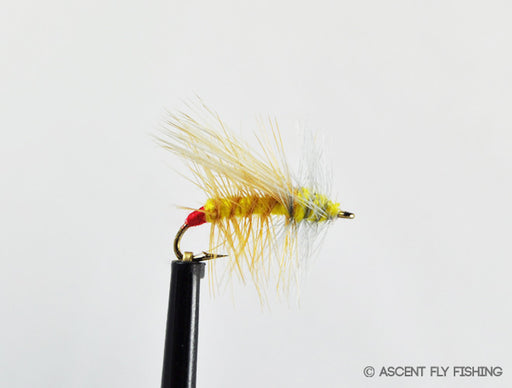
Yellow Sally PMX

Ascent Fly Fishing
In stock

Based on the tried and true Madame X pattern, the Yellow Sally Parachute Madame X (or PMX) adds a tall white parachute for extra buoyancy and visi...

View full details
Original price $1.85 - Original price $1.85
Original price
$1.85
$1.85 - $1.85
Current price $1.85
Original price $1.95 - Original price $1.95
Original price
$1.95
$1.95 - $1.95
Current price $1.95

Yellow Sally Stimulator

Ascent Fly Fishing
In stock

A major hatch and much anticipated trout favorite across much of the lower 48 is the Yellow Sally Stonefly hatch (Isoperla). What they don't have ...

View full details
Original price $1.95 - Original price $1.95
Original price
$1.95
$1.95 - $1.95
Current price $1.95

Choosing Fly Fishing Flies: What Are the Fish Eating Today?

Few questions in fly fishing have launched more conversations, arguments, books, YouTube channels, and frantic parking-lot fly-box reorganizations than:

“What fly should I use?”

And unfortunately, the trout have refused to provide a single convenient answer.

Some days they want a size 22 midge that looks approximately like an eyelash tied to a hook.

Other days they'll climb six inches through the water column to crush a grasshopper.

And occasionally a big brown trout decides that it is tired of eating bugs altogether and would prefer something resembling a small wounded fish.

That's what makes fly selection both frustrating and wonderfully interesting.

At Ascent Fly Fishing, we carry hundreds of fly patterns covering the major foods fish encounter throughout the year, including mayflies, caddisflies, stoneflies, midges and chironomids, terrestrials, eggs, worms, scuds, baitfish, leeches, crawfish, attractors, dry flies, nymphs, emergers, and streamers.

The goal isn't to own every fly ever tied.

Although many of us appear to be trying.

The goal is to carry enough of the right kinds of flies that you can respond when the fish change the menu.

What Are the Main Types of Fly Fishing Flies?

For all the thousands of patterns available, most freshwater flies fall into a few broad categories.

Dry Flies

Dry flies float on or in the surface film and imitate insects such as adult mayflies, caddisflies, stoneflies, midges, grasshoppers, ants, beetles, and other terrestrial insects.

This is the version of fly fishing that appears on magazine covers.

A trout rises.

Your fly drifts toward it.

The water opens.

And for one glorious fraction of a second, your brain forgets every responsibility you were supposed to be thinking about.

Dry-fly fishing is visual, addictive, and one of the most exciting ways to catch fish.

Browse our Mayflies, Caddisflies, Stoneflies, Midges & Chironomids, and Terrestrials when you're trying to match insects on the surface.

Nymphs

Before aquatic insects become winged adults, most spend much of their lives underwater as nymphs or larvae.

That makes nymphs an enormously important food source for trout.

If you've ever wondered why experienced anglers carry so many Pheasant Tails, Hare's Ears, Juju Baetis, Copper Johns, stonefly nymphs, caddis larvae, and tiny midge patterns, this is why.

Fish spend far more time eating underwater than dramatically rising to the surface for our entertainment.

Nymphs can be fished beneath an indicator, tight-lined, Euro nymphed, dropped beneath a dry fly, or incorporated into countless other rigs.

There is no Fly Fishing Supreme Court deciding which one counts.

Fish the method that works for you.

Emergers

Emergers imitate insects making that precarious transition from aquatic youngster to flying adult.

This stage can be particularly vulnerable because the insect is moving toward or through the surface while attempting to escape its old skin.

Trout know this.

They are not compassionate creatures.

Patterns such as Barr's Emergers, RS2-style patterns, Chocolate Thunder aka. foam-wing emergers, and other transitional flies can be deadly during mayfly and midge activity when fish appear to be rising but won't consistently eat a fully emerged dry fly.

Sometimes the fish aren't eating on the surface.

They're eating in it.

That small distinction can be the difference between an afternoon of bent rods and three hours spent insisting, “They're definitely feeding.”

Mayflies: The Classic Trout Food

Mayflies have achieved celebrity status among trout anglers.

Blue Wing Olives.

Pale Morning Duns.

Green Drakes.

Tricos.

March Browns.

There are hundreds of species, but from the angler's perspective the important variables are usually size, color, profile, and life stage.

You don't need a graduate degree in entomology to match a mayfly hatch.

Look at what's around you.

How big is the insect?

What color is it?

Is it crawling on the bottom, swimming toward the surface, emerging, riding the surface, or returning to lay eggs?

Then choose a pattern that roughly matches those characteristics.

Trout don't know what the fly is named.

They don't care whether it's a Juju Baetis, Pheasant Tail, RS2, Barr's Emerger, or something your cousin invented after three beers.

They care whether it looks like food.

Caddisflies: The Hyperactive Cousins of the River

If mayflies are elegant little sailboats drifting peacefully downstream, caddisflies often seem to have consumed six cups of coffee.

Adult caddis can skitter, bounce, flutter, and move across the water, while their larvae and pupae provide important subsurface food.

That means caddis should be represented throughout your fly box.

Carry caddis larvae and pupa patterns for subsurface fishing and adult caddis patterns for surface activity.

If you see small tent-winged insects crawling through streamside bushes or bouncing across the water, there's a good chance caddis should be on your radar.

Stoneflies: Big Bugs and Big Meals

Stoneflies spend much of their lives crawling along the river bottom before moving toward shore to emerge.

Some species are relatively small.

Others are enormous.

Salmonflies and Golden Stones look less like delicate aquatic insects and more like something that escaped from a science-fiction movie.

Trout love them.

Stonefly nymphs are excellent choices in freestone rivers throughout much of the year, and adult stoneflies can create spectacular dry-fly fishing when the hatch is underway.

Patterns such as the 20 Incher and other general stonefly nymphs can imitate a variety of species and sizes, making them useful searching patterns even when a major hatch isn't happening.

Midges & Chironomids: Never Underestimate the Tiny Stuff

Midges are tiny.

Frequently annoying to tie on.

Occasionally difficult to see.

And incredibly important.

Midges and chironomids occur in enormous numbers in rivers, tailwaters, lakes, and reservoirs, and trout feed on their larval, pupal, and adult stages.

During winter and on highly pressured tailwaters, tiny midge patterns can become some of the most important flies in your box.

This is where patterns like Brassies, WD-40s, bloodworms, chironomid pupae, and small emergers shine.

If you've ever found yourself threading 6X tippet through a size 24 hook eye while your fingers slowly lose feeling, congratulations.

You're fly fishing.

Terrestrials: When Lunch Falls Out of the Bushes

Not everything trout eat begins life underwater.

During the warmer months, grasshoppers, ants, beetles, crickets, and other terrestrial insects regularly tumble into rivers and lakes.

For a trout, this can be the aquatic equivalent of someone dropping a cheeseburger through the ceiling.

Terrestrial fishing is particularly effective in summer and early fall around grassy banks, overhanging vegetation, and windy afternoons when insects are likely to hit the water.

Larger foam patterns also make excellent indicator flies in a hopper-dropper rig, allowing you to fish a dry fly on the surface while suspending a nymph beneath it.

Two opportunities to get rejected instead of one.

Efficiency.

Eggs, Worms & Scuds

Some of the most effective fly patterns aren't insects at all.

Fish eat what is available.

That includes fish eggs, aquatic worms, scuds, sowbugs, freshwater shrimp, and other protein-rich foods.

Egg patterns become especially important around spawning events.

Worm patterns can be extremely productive when rain, runoff, or changing flows wash natural worms into the river.

Scuds and sowbugs are staples in waters rich in aquatic vegetation and spring-creek environments.

These patterns may not always win beauty contests.

Fortunately, the fish are voting with their stomachs.

Streamers: Sometimes Trout Eat Other Trout

There comes a point in the life of many fly fishers when they realize trout aren't merely delicate insect-eating philosophers floating peacefully beneath a mayfly hatch.

They are predators.

Large trout eat minnows, juvenile fish, leeches, crayfish, sculpins, and other substantial prey.

Streamers imitate these larger food sources and are generally retrieved through the water rather than dead-drifted.

A Woolly Bugger may be one of the most versatile flies ever created.

Larger articulated streamers take the same concept and add movement, profile, and enough material to make you wonder whether you're still fly fishing or casting a wet hamster.

If you're looking for aggressive fish, browse our Streamers and Articulated Streamers.

Then match them with an appropriate Sink Tip or Streamer Fly Line when you need to get those patterns deeper.

What Are Attractor Flies?

Some flies attempt to carefully imitate a specific insect.

Others basically walk into the trout's dining room wearing a flashing neon sign.

These are attractor flies.

Rainbow Warriors, Copper Johns, flashy stoneflies, brightly colored nymphs, and countless other patterns may incorporate exaggerated flash, color, movement, or contrast.

The goal isn't necessarily to perfectly resemble one specific insect.

It's to make a fish say:

“I don't know what that is, but I'm going to eat it before somebody else does.”

Attractor patterns are excellent searching flies when there isn't an obvious hatch or when water conditions make a little extra visibility useful.

Does Fly Color Matter?

Yes.

But probably not in the rigid way many anglers think.

Natural browns, olives, tans, blacks, and creams are important because they resemble common aquatic insects.

But brighter colors such as purple, blue, pink, red, chartreuse, orange, and fluorescent hotspots can be remarkably effective.

Light changes as it passes through water.

Water clarity changes.

Background colors change.

Fish see contrast differently under different conditions.

Sometimes a small hotspot is enough to make an otherwise natural pattern stand out.

This is why I like carrying several colors of important fly families rather than relying on one exact recipe.

The trout are allowed to change their minds.

So should we.

How Do I Match the Hatch?

“Match the hatch” sounds complicated.

At its heart, it means identifying what fish are currently eating and selecting a fly that resembles it.

Start with four things:

Size. Shape. Color. Behavior.

If there are size 16 olive mayflies emerging, begin with something roughly size 16, olive, and mayfly-shaped.

If caddis are bouncing all over the surface, don't fish your adult caddis like a perfectly motionless mayfly.

If stonefly nymphs are crawling toward shore, look for dark or golden stonefly patterns in an appropriate size.

And if you're not sure what's happening, pick up rocks.

Look in streamside vegetation.

Watch the surface.

Use one of our Match the Hatch Tools.

Or simply start with a proven generalist pattern and allow the fish to provide feedback.

They are extremely good at criticism.

What Flies Should Every Trout Angler Carry?

You could build a fly box containing 300 different patterns.

Or you could start with a core group that covers the major food sources and expand from there.

A well-rounded trout box should include representatives of:

  • Mayfly nymphs and adults
  • Caddis larvae, pupae, and adults
  • Stonefly nymphs and adults where appropriate
  • Midge larvae, pupae, and adults
  • A few attractor nymphs
  • Terrestrials
  • Eggs, worms, and scuds
  • Woolly Buggers and other streamers

Within those groups, carry several sizes and colors.

The pattern matters.

But often size matters even more.

An immaculate size 12 imitation won't necessarily help when the fish are eating size 20 insects.

What Flies Should I Use for Bass and Pike?

Trout aren't the only fish interested in flies.

Bass, panfish, and northern pike generally favor larger prey than your average trout.

Think baitfish, frogs, crayfish, leeches, poppers, and large streamers.

For these species, size and movement become increasingly important, and heavier rods and lines help turn over larger patterns.

Browse our Bass, Panfish & Northern Pike Flies if you're building a warmwater box.

It's a wonderful part of fly fishing because bass generally haven't attended the same finishing school as technical tailwater trout.

They tend to make their opinions known quickly.

What About Saltwater Flies?

Saltwater opens another enormous chapter.

Bonefish eat shrimp and crabs.

Permit eat crabs, shrimp, and other flats prey while simultaneously finding reasons not to eat your fly.

Redfish feed on shrimp, crabs, baitfish, and whatever else they can corner in shallow water.

Tarpon eat baitfish and crustaceans and then repay you by jumping violently and trying to break everything you've brought with you.

That's why Ascent separates our Saltwater Flies into useful species categories including Bonefish, Permit, Redfish, and Tarpon Flies.

Choose your patterns based on the destination, target species, water depth, bottom type, and advice from your guide.

If you're traveling somewhere new, listen to your guide.

The fly they recommend has probably caught considerably more fish there than the one you chose because it looked cool on Instagram.

Don't Know What Flies to Buy? Start With a Selection

There is one obvious problem with a fly collection this large:

Where do you start?

That's why Ascent offers Biologist Packed Fly Selections.

Rather than randomly buying twenty flies that happened to catch your eye, a curated selection can provide a balanced assortment built around the exact insects on the waters you fish, when you fish them!

This is especially useful for:

New fly fishers building their first box.

Anglers traveling to unfamiliar water.

People who have discovered that their current fly box contains fourteen nearly identical Woolly Buggers and somehow no caddis.

Or anyone who simply wants us to do some of the thinking.

Sometimes expertise isn't knowing which one fly will work.

It's making sure you have enough good options when the first one doesn't.

Why Buy Flies From Ascent Fly Fishing?

We've always believed that flies shouldn't simply be colorful objects attached to hooks.

They should have a reason for being in your box.

Many of our fly descriptions go beyond simply telling you the name of a pattern. We try to explain what the fly imitates, when it is useful, how it behaves, and why a fish might eat it.

That comes from looking at fly fishing through the eyes of anglers and biology rather than simply filling bins with thousands of patterns.

Our goal is to equip you with a useful selection of flies that can help you solve problems on the water without requiring you to take out a small loan every time you refill your fly box.

Need help?

Tell us where you're fishing.

Tell us the time of year.

Tell us the species.

We'd much rather help you build a useful fly box than sell you fifty random patterns and leave you to figure it out on the river.

Fly Fishing Fly FAQs

What are the best fly fishing flies for trout?

There is no single best trout fly everywhere, but versatile patterns such as Pheasant Tails, Hare's Ears, midges, caddis patterns, stonefly nymphs, attractor nymphs, dry flies, and Woolly Buggers cover many common trout foods. The best choice on a particular day depends on the insects, season, water, and feeding behavior.

What is the difference between a dry fly and a nymph?

A dry fly is generally designed to float on or near the water's surface and imitate an adult insect. A nymph is generally fished underwater and imitates the immature aquatic stage of insects such as mayflies and stoneflies.

What is an emerger fly?

An emerger imitates an aquatic insect transitioning from its underwater juvenile stage into an adult. Emergers are often fished just below, within, or immediately beneath the surface film.

What size fly should I use for trout?

Match the size of the natural food whenever possible. Trout flies commonly range from large stoneflies and terrestrials down to extremely small size 20–26 midge and mayfly patterns.

Should I choose flies by pattern or by insect family?

Start with the food source. Determine whether fish are eating mayflies, caddisflies, stoneflies, midges, terrestrials, baitfish, or something else, then select a pattern that matches the appropriate size, shape, color, and life stage.

How many flies should I carry?

Enough that losing one to a fish, tree, rock, guide's hat, or inexplicable midair knot doesn't end your day. Carry duplicates of your most productive patterns because the fly that is working exceptionally well is statistically the fly you are most likely to lose.

What flies are best for beginners?

Beginners should focus on a smaller number of proven, versatile patterns rather than buying dozens of extremely specialized flies. Build around major insect groups and include a few generalist and attractor patterns that work across different conditions.

Do expensive flies catch more fish?

Not automatically. A properly sized, well-presented, durable fly that resembles something the fish want to eat is far more important than price alone.

What fly should I use when nothing is hatching?

Try subsurface nymphs, attractor patterns, generalist flies, or streamers. Fish still need to eat when there isn't an obvious surface hatch.

There is a tendency in fly fishing to search for the secret fly.

The one pattern the trout can't refuse.

The fly whispered about in parking lots and hidden in the back corner of guide boxes.

After enough years on the water, you eventually discover the secret.

There isn't one.

The real advantage comes from understanding what fish eat, carrying a thoughtful selection of patterns, paying attention to what's happening around you, and being willing to change when the fish tell you you're wrong.

And they will.

Repeatedly.

Fortunately, figuring it out is half the fun.

Tight Lines, Friend!

Guided Trips
{"statementLink":"","footerHtml":"","hideMobile":false,"hideTrigger":false,"disableBgProcess":false,"language":"en","position":"left","leadColor":"#146ff8","triggerColor":"#146ff8","triggerRadius":"50%","triggerPositionX":"right","triggerPositionY":"bottom","triggerIcon":"people","triggerSize":"medium","triggerOffsetX":20,"triggerOffsetY":20,"mobile":{"triggerSize":"small","triggerPositionX":"right","triggerPositionY":"bottom","triggerOffsetX":10,"triggerOffsetY":10,"triggerRadius":"50%"}}
